
Maillard Reactions: How Heat Creates Flavour
Published 10 Sep 2026
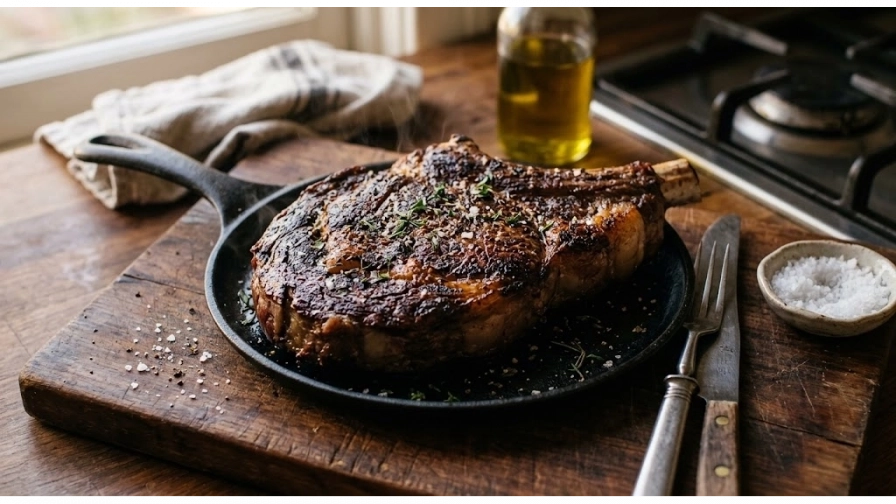
Exactly how the three raw ingredients combine to create a broad spectrum of different whiskies and a complex myriad of favours in a single bottle is complicated. There is no getting around that fact. There are thousands of different chemical reactions occurring from the moment the grains hit the mash tun to the moment the cask is emptied. However, a significant amount of flavour can be attributed to one particular type of reaction – the Maillard reactions.
It sounds very technical but at its core it is very simple and something you do in your kitchen every day: make things brown.
The Maillard reaction is simply what happens when amino acids and sugars meet heat. It is the reason raw dough turns into a crusty sourdough loaf, a red piece of raw beef gets a dark crust, and green coffee beans turn into something delicious that wakes you up in the morning. Maillard reactions are all about flavour.
If making whisky is like cooking, then the process requires three different stoves.
The first stove is in the malt kiln. Toasting the wet grain lightly gives you clean, sweet, biscuity notes. Cranking up the heat creates dark, roasted malts that taste of espresso, dark chocolate, and roasted nuts.
The second stove is inside the copper pot still. When the wash is heated it can sears like a pan on a high flame, throwing savoury, cereal-rich flavours directly into the vapour.
The third stove is inside the cooperage. Charring an oak barrel toasts the wood sugars just behind the char line, leaving a rich layer of caramel and vanilla notes waiting to be soaked up over years of ageing.
Anyone who’s ever forgotten a slice of bread in the toaster knows how quickly a good thing can go wrong. There is a fine line between a slice of golden-brown toast and the smoke alarm going off. Distillers walk that exact same line. Get it right, and you build incredible layers of biscuit, mocha, and toasted oak. Get it wrong, and your whisky tastes like a burnt barbecue grill.
The kitchen analogy just about holds up, but lets not push it.
We have already looked at how barrel toasting and charring add flavour In subsequent articles, we will look at how heat shapes flavour across the other two stoves, starting with the very first place the fire is lit—the malt kiln.